Ezekias Bokove, as Kiassob

African music, made with AI

Five releases since June 2026 on Mahuton Records, sung in Wolof, isiZulu, Sesotho and more. I write the stories, produce the music with music generation and text-to-speech, check the singing with speech-to-text, and code the lyric videos. The same tools I would teach developers to use, shipped to real listeners.

1 November 2026, two singles

Two countries, one word: hold on

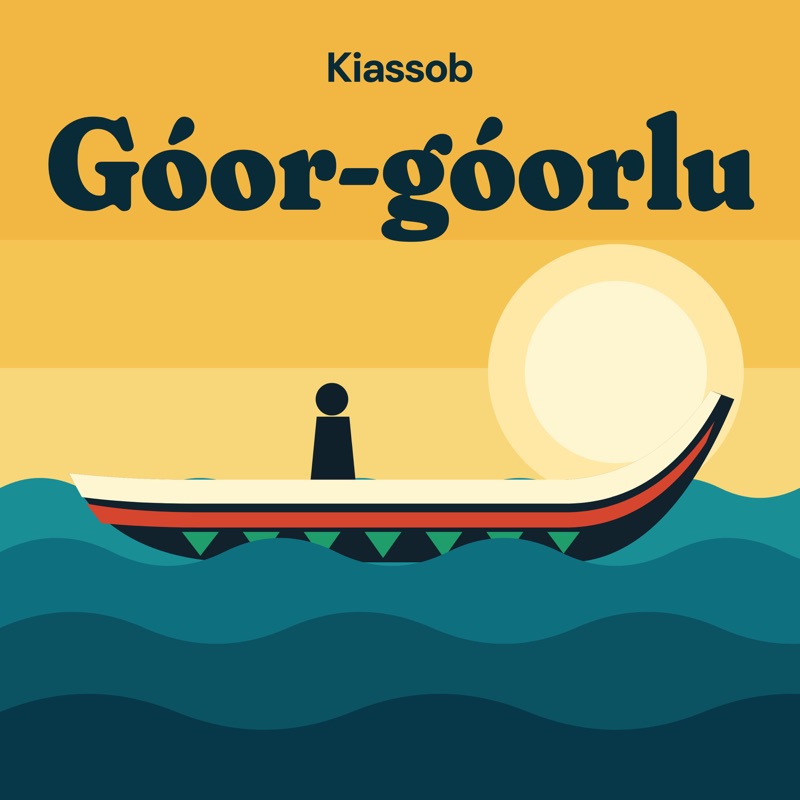
Góor-góorlu

Wolof for “to get by, to hold on”

In Saint-Louis, Senegal, Modou comes back from the sea with empty nets. His mother, Yaay Awa, faces the price of rice every day. One night a pirogue leaves, and he has to choose: go or stay.

Senegal, Wolof, mbalax, about 118 BPM

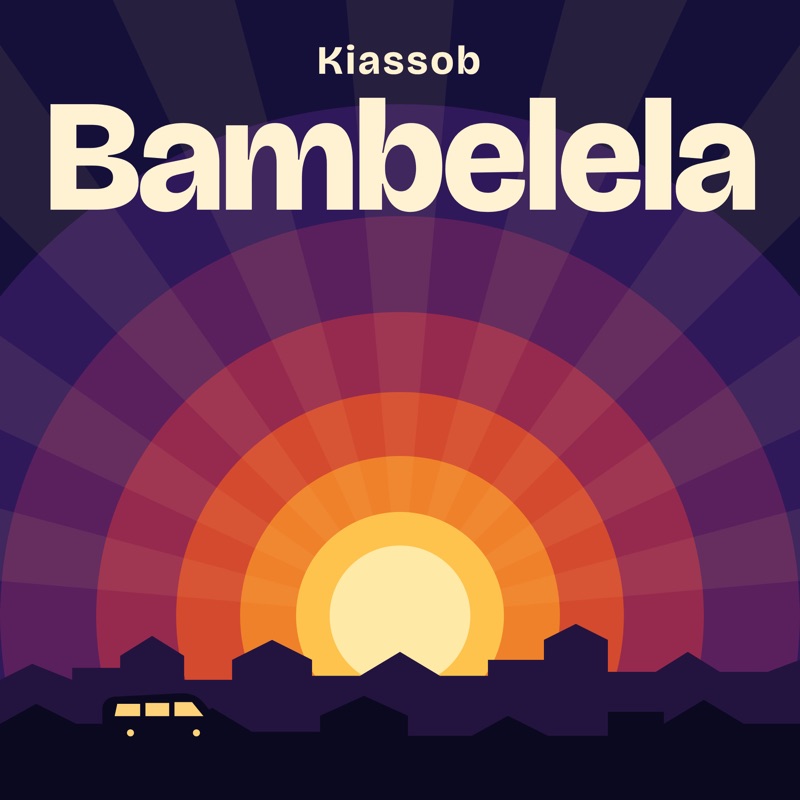
Bambelela

isiZulu for “hold on”

In Katlehong, near Johannesburg, Thabo has his degree but no job. His mother, Mam’ Nomsa, cleans other people’s houses to feed the family. He refuses to give up.

South Africa, isiZulu and Sesotho, amapiano, about 112 BPM

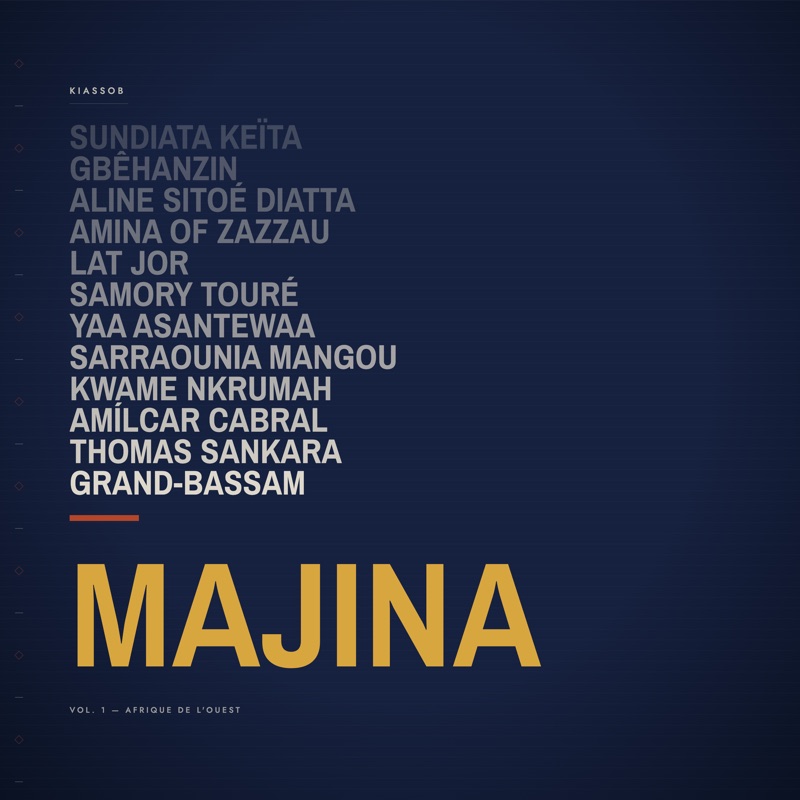
  1. Sundiata Keïta
  2. Gbêhanzin
  3. Aline Sitoé Diatta
  4. Amina of Zazzau
  5. Lat Jor
  6. Samory Touré
  7. Yaa Asantewaa
  8. Sarraounia Mangou
  9. Kwame Nkrumah
  10. Amílcar Cabral
  11. Thomas Sankara
  12. Grand-Bassam
  13. L’appel des noms

31 July 2026, album, 13 tracks

Majina

Majina means “names” in Swahili. Vol. 1 is a roll call of West Africa, from Sundiata Keïta in the 13th century to Thomas Sankara. Its tracks started from MIDI seeds I wrote, humanised and voiced in Apple GarageBand, so the songs carry my chords instead of a generic prompt. I also designed its web player, where each name fills with brass as its track plays.

For My Dad cover: a father and his child walking toward the sunset

18 June 2026, EP, 6 tracks

For My Dad

Six songs, six ways to say “dad” across Africa.

  1. 01Baay
  2. 02Ubaba Wami
  3. 03Asante Baba
  4. 04Mèsi Doudou
  5. 05Papa Champion
  6. 06Vié Père

7 June 2026

Aube

Dawn. Where Kiassob begins: baobabs on still water, at the first light.

Aube cover: baobabs reflected on water at dawn

The studio is a pipeline

Every song goes through the same stages, each one a model, an API or a script. Follow Góor-góorlu through it.

Bambelela, from first draft to release in one day

  1. The release playbook is loaded: artist profile, rules, distribution steps.
  2. The story and the lyrics in isiZulu and Sesotho, with translations and a phonetic version.
  3. First 30-second tests generated through the ElevenLabs Music API.
  4. An amapiano version, rewritten to sound hopeful rather than traditional.
  5. Speech-to-text checks the singing, and the lyric video is built in code.
  6. YouTube title, description and cover.
  7. Release metadata, lyrics and AI declaration filled in for distribution.
  8. Bambelela is online.

Times in Paris, 1 November 2026, taken from the working session.

What the models taught me

Transcription is the test suite

A generated voice can sound right and sing the wrong word. Running Scribe and Gemini on the final audio, line by line, shows exactly where.

Some sounds still break

isiZulu clicks and Wolof vowels are where generation fails most. Phonetic spelling helps, and native speakers remain the last reviewers.

Prompts describe, never name

Music models refuse real artist and song names. A good prompt describes instruments, rhythm, voices and mood instead.

Your own input changes the output

A MIDI seed played in GarageBand gives the model a direction no text prompt can, and keeps an album from sounding like the same song twelve times.

Video is just code

Lyric videos written in HTML and rendered to MP4 can be corrected and re-rendered in minutes, in three languages.

Declare it

Every release is declared as made with AI on distribution. Listeners deserve to know, and it costs nothing.